The Human Advantage: Why Virtual Assistants Can Outperform AI Assistants
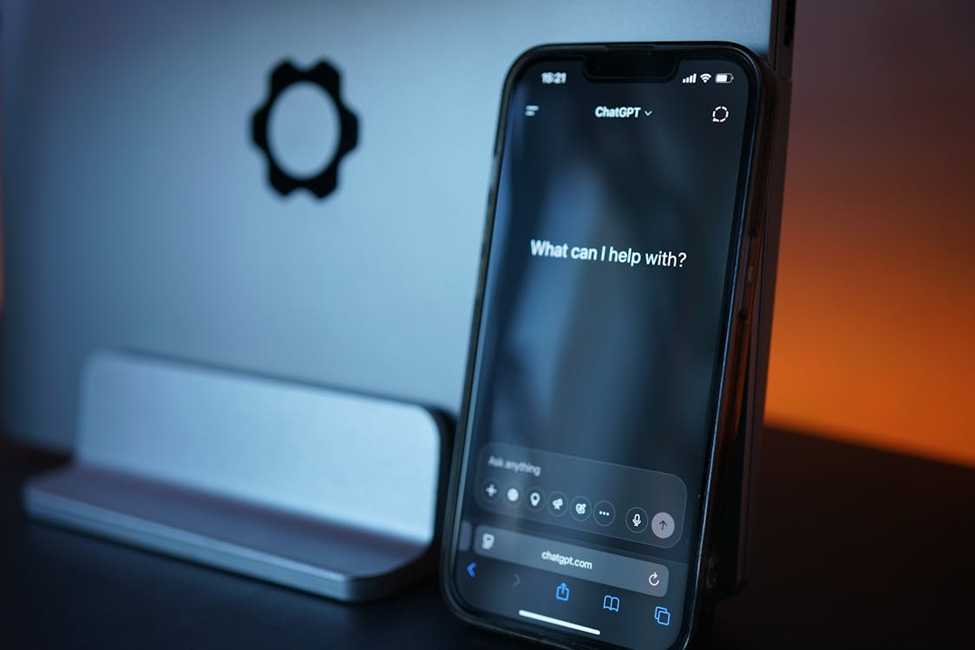
McKinsey reported in early 2025 that 92% of companies planned to increase AI investments over the following three years, yet only 1% of leaders described their organisations as mature in AI deployment.
In other words, businesses are spending heavily on AI, but very few have turned it into dependable, workflow-level performance
For business owners and CEOs, the real question is not whether AI is impressive. The question is whether it can think in context, exercise judgement, communicate with nuance, and take responsibility for outcomes, as a skilled virtual assistant can.
Understanding this human advantage can help leaders make better choices about how work gets done and how operational efficiency contributes to profitability.
Why Human Judgment Still Matters in Business Operations
AI assistants and virtual assistants serve different purposes, although they are often discussed as if they are direct substitutes.
An AI assistant is software designed to automate tasks using machine learning and data processing. These tools can analyse text, generate responses, and assist with repetitive workflows. Examples include automated chat tools, scheduling software, and content generation systems.
A virtual assistant, on the other hand, is a specialised professional who works remotely to support business operations. Unlike software, a virtual assistant brings experience, judgement, and accountability to the role.
The distinction becomes clear when looking at the types of work each performs.
AI assistants typically handle tasks such as:
- Data processing
- Automated responses
- Basic content generation
- Scheduling assistance
- Information retrieval
A virtual assistant performs far broader responsibilities, including:
- Client communication and coordination
- Industry-specific administrative work
- Workflow management
- Document preparation and verification
- Operational support across departments
This difference explains why many businesses use both. AI tools can accelerate simple processes. A virtual assistant manages the real work that requires context and professional judgement.
The Limits of Artificial Intelligence in Business Operations
Artificial intelligence is impressive when dealing with structured data or repetitive processes. However, its limitations become clear when business decisions require nuance or context.
AI does not understand relationships, organisational priorities, or industry-specific workflows. It relies on patterns in existing data rather than a real understanding of a situation.
This can create problems in environments where accuracy and professional judgment matter.
For example, AI systems frequently produce confident-sounding responses that contain errors. Research from the Massachusetts Institute of Technology has highlighted the issue of AI hallucinations, where language models generate inaccurate information presented as fact.
In customer-facing environments, these mistakes can create reputational risk.
AI also struggles with tasks that require interpretation. An email from a client may contain subtle cues about urgency or tone. A document request may require knowledge of regulatory requirements. These situations require human judgment rather than automated responses.
This is where the value of a virtual assistant becomes clear.
A specialised virtual assistant does not simply complete tasks. They evaluate the context, draw on experience, and respond appropriately to the situation at hand.
Accountability and Professional Responsibility
Another critical advantage of a virtual assistant is accountability. AI tools generate outputs, but they do not take responsibility for the results. When something goes wrong, the burden falls on the business owner or internal team to correct the issue.
A virtual assistant operates differently. Because it’s a professional working within a business environment, they are accountable for their work. They review documents before sending them, verify information, and follow established procedures.
This level of responsibility becomes particularly important in industries such as finance, property, and legal services, where mistakes can have significant consequences.
For example, a mortgage brokerage may require accurate documentation before submitting a loan application. A virtual assistant specialising in mortgage administration understands the required checks and documentation standards.
AI software cannot reliably manage these responsibilities without human oversight.
Accountability is, therefore, not simply a professional expectation. It is a safeguard that protects the business.
Industry Specific Knowledge
Another key difference between AI assistants and virtual assistants lies in industry expertise.
AI tools rely on general data sources. They do not understand the specific processes that drive different sectors.
A virtual assistant, however, often specialises in particular industries. For example, some of these remote professionals focus on:
- Mortgage processing
- Financial planning administration
- Real estate documentation
- Insurance support
- Accounting assistance
This type of specialisation means the virtual assistant already understands the workflows involved. Instead of learning from scratch, they can integrate quickly into an existing business process.
Industry knowledge allows them to anticipate problems, organise documentation correctly, and maintain compliance with established procedures. This is not something generic AI software can replicate.
Outsourcing the Right Virtual Assistant
The effectiveness of a virtual assistant depends on experience, training, and professional standards.
Many businesses choose to work with specialised service providers when hiring a virtual assistant. These organisations recruit, train, and match professionals with companies that require operational support.
We at Virtual Office Angels provide trained virtual assistants who support industries such as finance, mortgage broking, accounting, and property services. Because these professionals already understand industry workflows, businesses can integrate them into operations without lengthy onboarding processes.
Contact us today to learn more about how a virtual assistant can contribute to your organisation.


Comments
Post a Comment